Altitude sickness in Western Sichuan: how to prepare and what to do
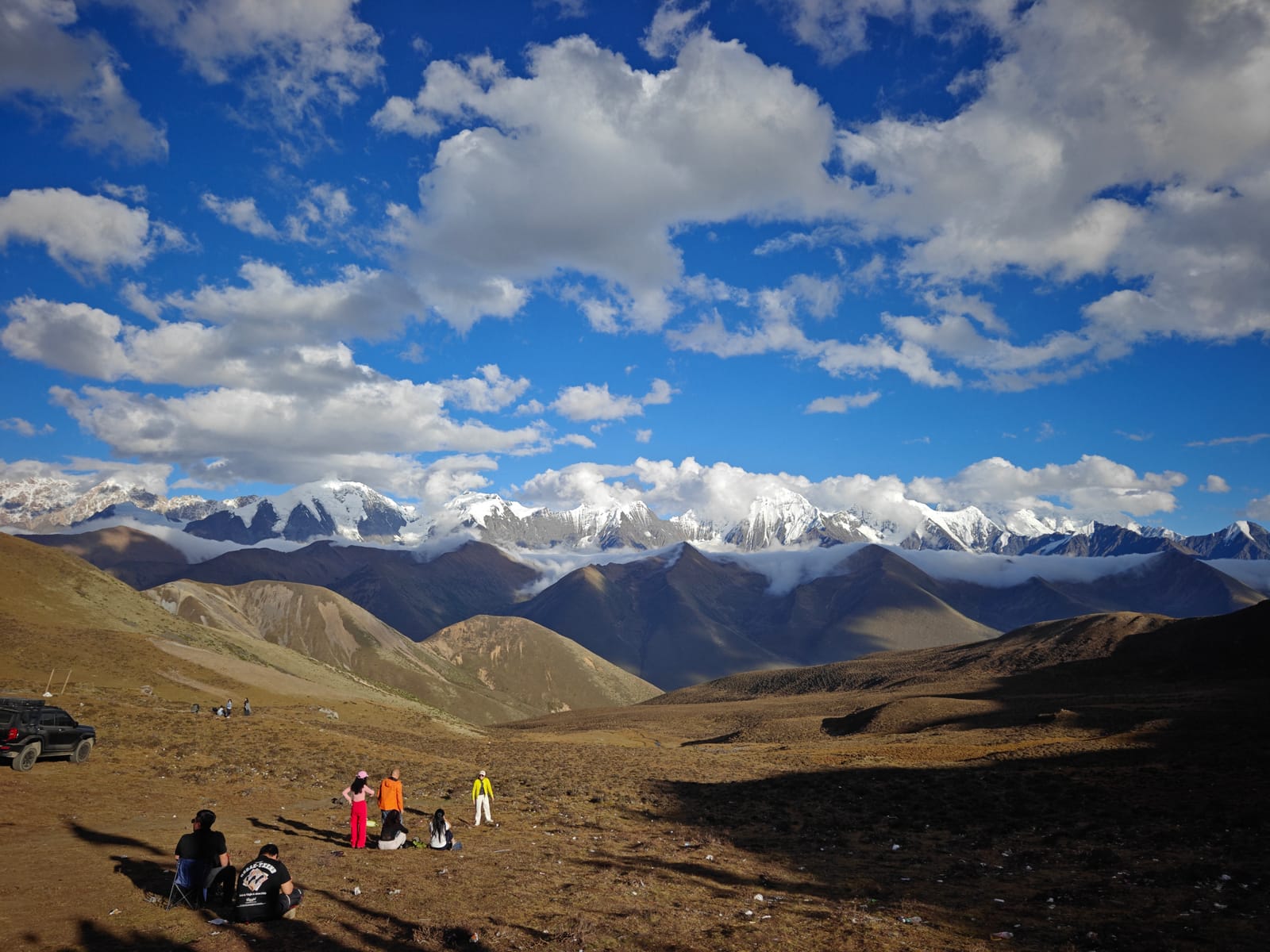
Most travellers feel something above 3,000 m. Here is how to arrive well, recognise the warning signs, and what actually helps — based on what we see on the road.
The short version
Almost everyone who travels into the Sichuan highlands goes above 3,000 metres at some point. Most people feel mild symptoms for a day and are fine. A small number get properly ill, and the only reliable cure is to lose elevation.
The single most useful habit is to gain height slowly. Chengdu sits at roughly 500 m. Kangding is already 2,560 m. That is a jump of two kilometres in a single day's drive, and it is the point where many people first feel it.
The elevations you will actually meet
Knowing the numbers helps you plan rest days sensibly rather than guessing.
| Place | Elevation | Notes |
|---|---|---|
| Chengdu | ≈ 500 m | Starting point, no acclimatisation needed |
| Kangding | 2,560 m | Common first overnight; mild symptoms possible |
| Tagong | 3,700 m | Most people notice the thin air here |
| Xinduqiao | 3,460 m | Similar to Tagong, often used as a sleep stop |
| Litang | 4,014 m | One of the highest towns in the world; take it easy |
| Zheduo Pass | 4,298 m | Drive-through only, do not linger or sleep here |
What actually helps
Ascend gradually. If your itinerary allows, spend the first night at Kangding rather than pushing straight to 3,700 m. Our four-day nomad journey is built this way on purpose.
Drink more water than feels necessary. Dry plateau air plus faster breathing dehydrates you quickly, and dehydration makes altitude symptoms noticeably worse.
Skip alcohol for the first two nights. It disrupts sleep, which is exactly what your body needs to adjust.
Eat normally, even without appetite. Carbohydrates are easier to digest at altitude than heavy fatty meals.
Do not push through a headache. A mild headache is common on day one. A headache that keeps worsening despite water and rest is your signal to stop climbing.
Symptoms worth taking seriously
Mild altitude sickness feels like a hangover: headache, tiredness, poor appetite, disturbed sleep, occasional nausea. It usually settles within a day or two as your body adapts.
Seek medical help and descend if you see any of the following. These point toward fluid on the lungs or swelling in the brain, both of which are emergencies.
- Breathlessness at rest, or a cough that will not settle
- Confusion, slurred speech, or unsteadiness on your feet
- Vomiting that stops you keeping water down
- A headache that keeps worsening after a full day of rest
- Bluish lips or fingertips
Medication and oxygen
Acetazolamide is commonly prescribed for prevention and is worth discussing with your own doctor before you travel, particularly if you have previously reacted badly to altitude. It is not a substitute for ascending slowly.
Simple painkillers handle ordinary altitude headaches well. Many vehicles carry a small oxygen canister, and hotels at higher elevations often have one; a few minutes of oxygen can relieve symptoms temporarily, but it does not acclimatise you.
If you have a heart or lung condition, or are pregnant, speak to a doctor before booking a highland itinerary. We are happy to adjust pacing or keep an itinerary below 3,000 m entirely.
If you are travelling with children
Children generally adapt at least as well as adults, but they may not articulate what is wrong. Watch for unusual irritability, drowsiness, or a child who suddenly refuses to eat. Keep the schedule loose, and treat any high pass as somewhere to pass through rather than play.
In this guide
Do I need altitude medication before arriving in Chengdu?
+
No. Chengdu is around 500 m and you will not need anything there. If your itinerary goes above 3,000 m, start any preventive medication the day before you gain significant height, following your doctor's advice.
Can I travel to Tagong or Litang if I have never been above 2,000 m?
+
Yes, and many of our guests do exactly that. The key is pacing: sleep low for the first night or two, keep the first high-altitude day light, and stay hydrated. Tell us in advance and we will build in extra rest.
Is bottled oxygen worth bringing?
+
It helps for short-term relief and reassurance, but it does not speed up acclimatisation. Use it if you feel unwell, then rest and descend rather than relying on it to keep climbing.
Keep reading
Have a question we have not answered?
Message us on WhatsApp and a real person will reply — usually within a few hours.
Ask us on WhatsApp