Getting from Chengdu into the Tibetan highlands

Driving, flying or the train — how the main options compare, how long each really takes, and which one suits the journey you have in mind.
First, a clarification that matters
Two different destinations are often called "Tibet", and they involve very different logistics.
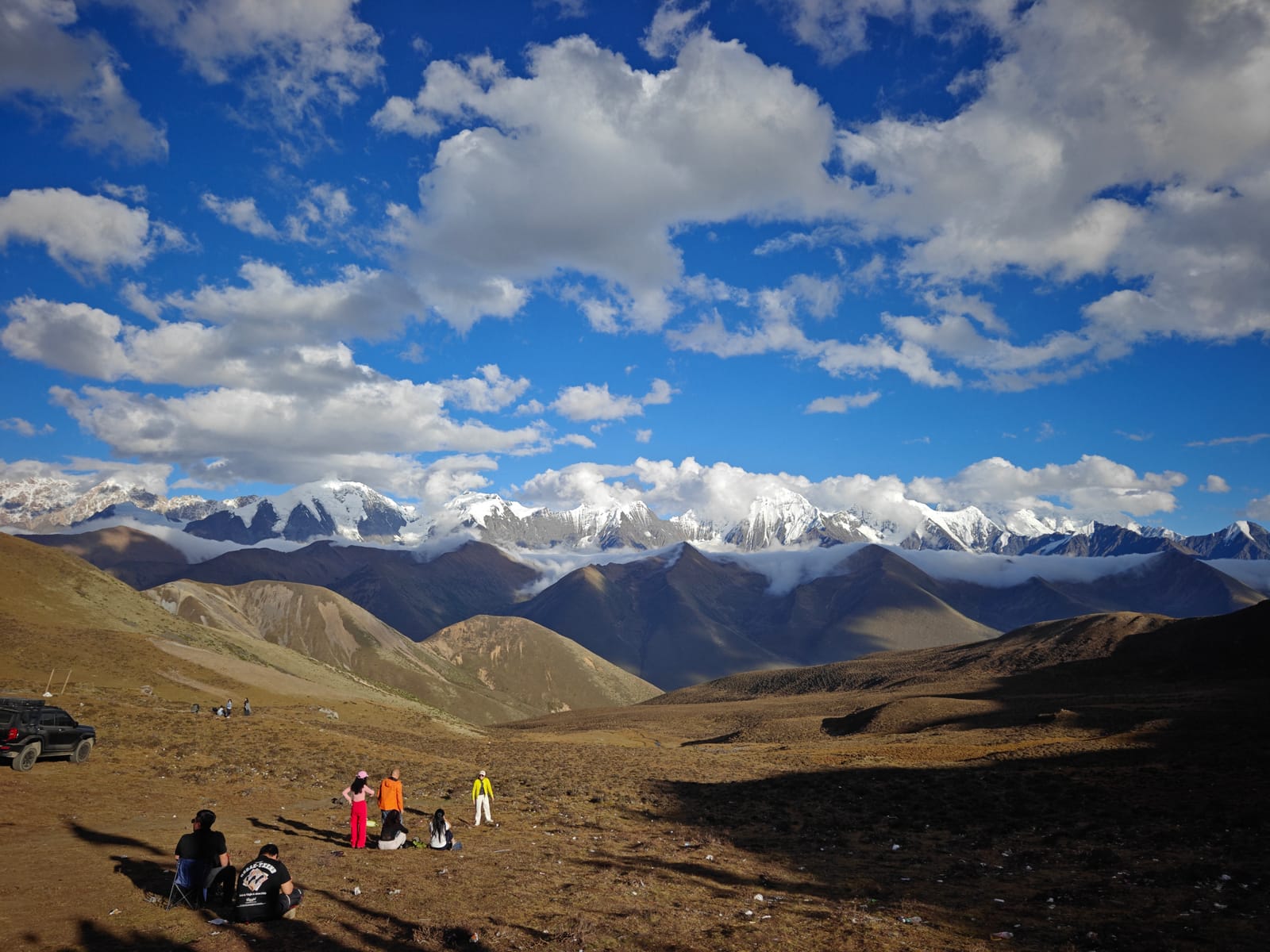
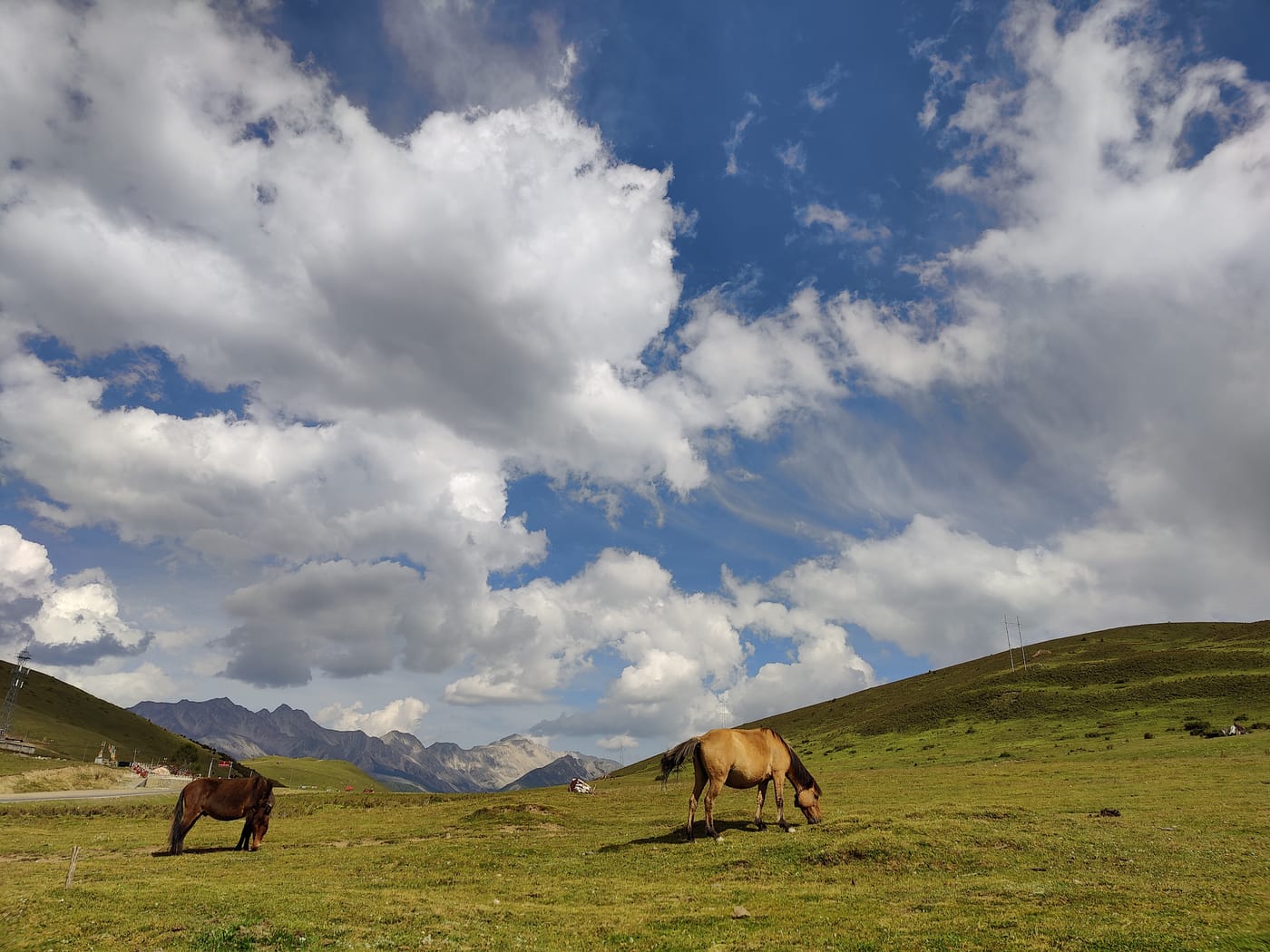
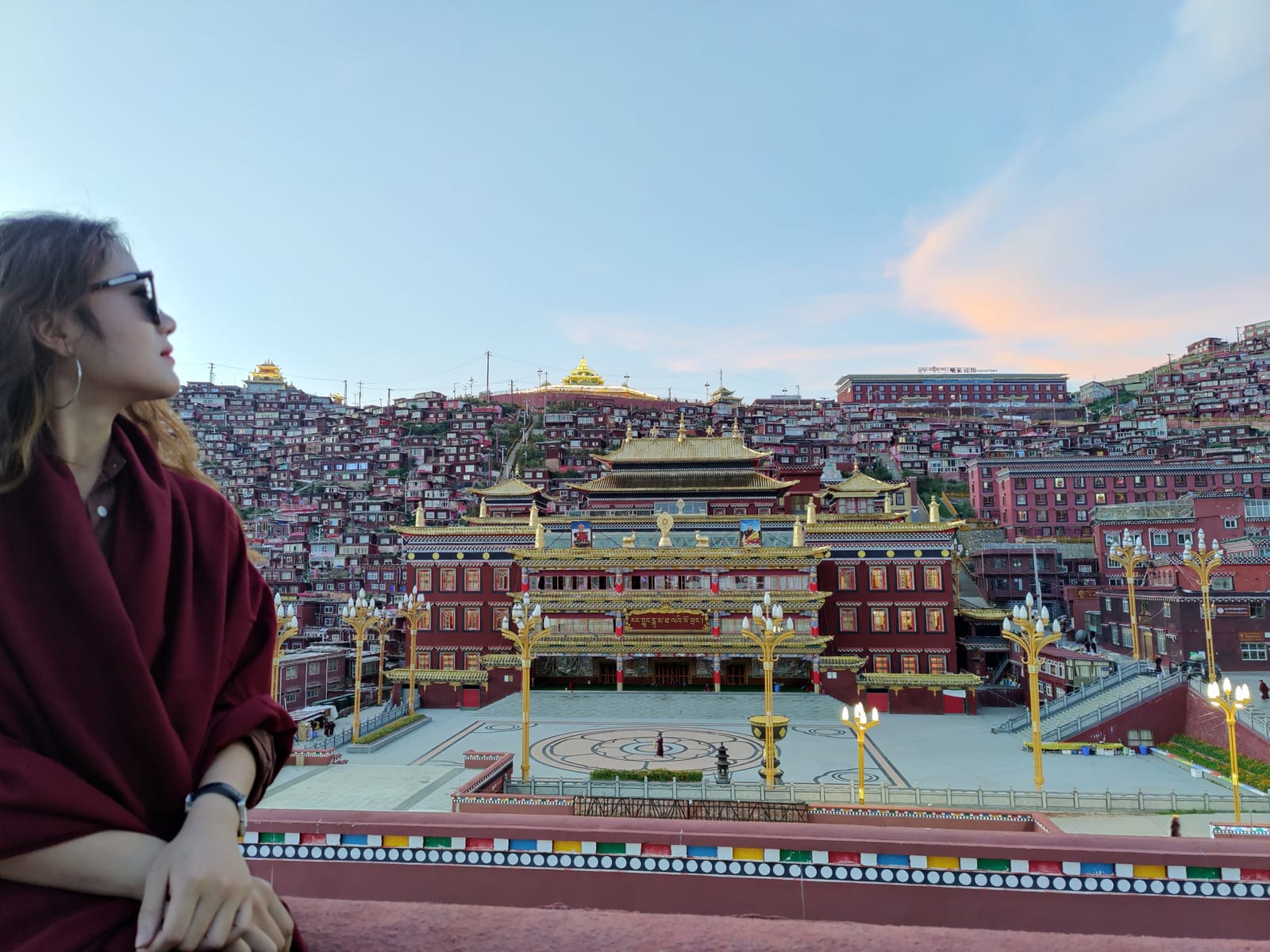
The Tibetan Plateau extends far beyond the Tibet Autonomous Region. Western Sichuan — Kangding, Tagong, Litang, Danba, Zoige — is ethnically and culturally Tibetan, sits on the plateau, and is reachable from Chengdu by road with no special permit.
The Tibet Autonomous Region, with Lhasa at its centre, is a separate administrative area. It requires a permit arranged through a licensed agency, and independent travel is not permitted. If Lhasa is your goal, plan for a guided tour and allow several weeks for the paperwork.
Most travellers who want mountains, monasteries and nomad culture find that Western Sichuan delivers it without the permits or the altitude shock of flying straight to 3,650 m.
Overland from Chengdu
The classic route runs west from Chengdu on the G318, the Sichuan–Tibet highway, climbing through Ya'an and over the Erlang Shan range to Kangding.
Driving time from Chengdu to Kangding is roughly five to seven hours depending on traffic leaving the city and conditions on the pass. From Kangding onwards the road continues to Xinduqiao, Tagong and eventually Litang.
This is the option we recommend for most guests. The gradual ascent gives your body time to adapt, the scenery builds progressively, and you can stop where you like rather than watching it pass from a plane window.
Distances look short on a map and are not. Mountain roads average perhaps 40–50 km/h, and a landslide or roadworks can add hours. Build slack into any self-drive plan.
Flying
Kangding has an airport at roughly 4,280 m, and Daocheng Yading has one at around 4,410 m. Both are among the highest commercial airports in the world.
Flying gets you there in about an hour, but it drops you at very high altitude with no acclimatisation at all. A significant proportion of travellers who fly directly to either airport feel unwell on arrival, sometimes badly enough to spend the first day in bed.
If you do fly, treat the first day as a rest day. Do not schedule a high pass or a long drive. Drink water, eat lightly, and sleep early.
Bus and shared minivan
Regular buses run from Chengdu's Chadianzi and Xinnanmen stations to Kangding, and onward services reach Tagong and Litang. They are cheap and reliable.
Shared minivans fill the gap for smaller places and leave when full rather than on a schedule. They are the standard local way to move between highland towns.
The limitation is fixed timetables and no flexibility to stop for the views — which, on this road, is much of the point.
How we handle it
On our own journeys we drive, with a vehicle and driver who know the route. It means we can stop when the light is good, adjust when weather moves in, and pace the altitude gain deliberately rather than by timetable.
For guests arriving from overseas we usually suggest a night in Chengdu first. It costs one day, it resets your body clock, and it means you start the climb rested rather than jet-lagged.
In this guide
Do I need a permit to visit Western Sichuan?
+
No. Kangding, Tagong, Xinduqiao, Danba and the Zoige grasslands are open to foreign visitors without a special permit. The Tibet Autonomous Region is a different matter and does require one.
How long does the drive from Chengdu to Kangding take?
+
Typically five to seven hours, depending on how quickly you clear Chengdu traffic and conditions on the mountain pass. In bad weather or after a landslide it can take considerably longer.
Should I fly to Kangding to save time?
+
Only if your schedule is very tight. The airport sits at about 4,280 m, and arriving there from sea level in an hour causes altitude symptoms for many travellers. Driving in over two days is far gentler.
Keep reading
Have a question we have not answered?
Message us on WhatsApp and a real person will reply — usually within a few hours.
Ask us on WhatsApp