Your first trip to the Tibetan plateau: what to know before you book
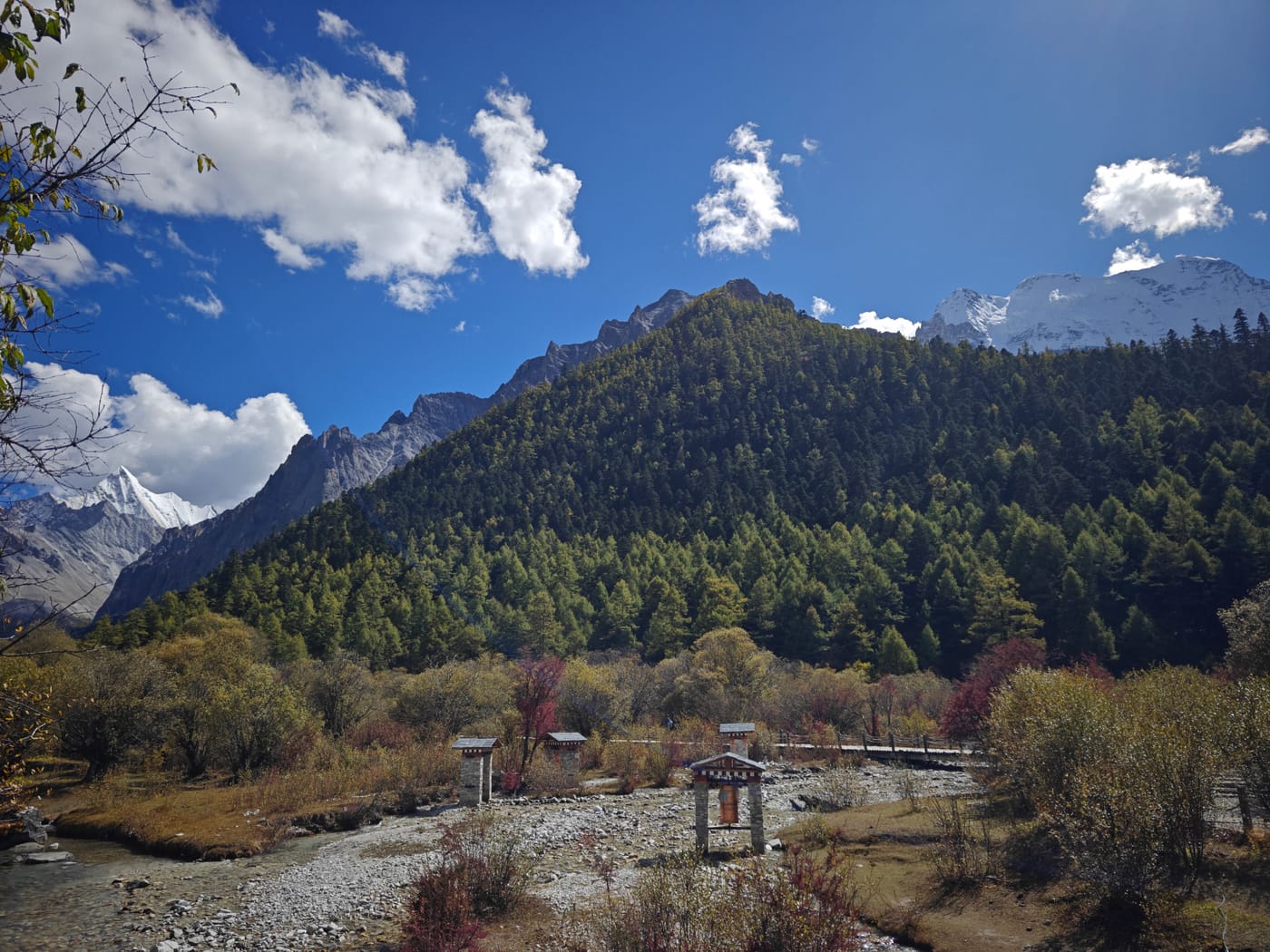
Permits, altitude, timing and expectations — the decisions that shape a first journey into Tibetan country, explained without the sales pitch.
Start with one decision
Before anything else, decide where you mean by Tibet. The answer changes your permits, your budget, your itinerary and how much freedom you have.
Western Sichuan is culturally Tibetan, sits on the plateau, and is open to independent travel. The Tibet Autonomous Region around Lhasa requires a permit, a licensed guide and a fixed itinerary. Neither is better; they are simply different trips.
If you are drawn to monasteries, grasslands, nomad families and high mountain roads, Western Sichuan offers all of it with far less bureaucracy. If Lhasa and the Potala Palace are the point, plan for the permit route.
Permits, briefly
For the Tibet Autonomous Region, foreign travellers need a Tibet Travel Permit arranged through a licensed agency. You cannot apply directly, and you cannot travel independently once there — a guide accompanies you throughout.
Processing takes time and is not guaranteed. Certain nationalities and certain periods, particularly around sensitive anniversaries, face additional scrutiny. Apply well ahead and keep your plans flexible.
For Western Sichuan, none of this applies. Bring your passport, and be aware that some individual monasteries or areas may occasionally restrict photography.
Altitude is the thing to respect
This is the part first-time visitors most often underestimate, and it is the part that ruins trips when ignored.
Lhasa sits at 3,650 m. Tagong is 3,700 m. Litang is 4,014 m. Arriving at any of these from sea level is a genuine physical shock, and the effects do not care how fit you are.
The fix is simple and unglamorous: gain height gradually, drink more water than feels reasonable, skip alcohol for the first nights, and do not schedule anything ambitious on your first high-altitude day.
See our dedicated altitude guide for the full picture.
When to go
Late May to early October is the reliable window, with September standing out for clear skies, green grasslands and manageable crowds.
Winter travel is possible and can be spectacular, but passes close, guesthouses shut, and flexibility becomes essential rather than optional.
Avoid the first week of October unless you actively want China's busiest travel period. Accommodation prices spike and popular sites are crowded.
What it will actually feel like
Expect long drives. Distances on the plateau are measured in hours rather than kilometres, and a route that looks short on a map can take most of a day.
Expect basic infrastructure in rural areas. Guesthouses in nomad areas are comfortable but simple, hot water may be limited, and mobile signal comes and goes.
Expect the unexpected to be handled calmly. Weather closes passes, festivals shift dates, and roads need repairs. The travellers who enjoy the plateau most are the ones who treat the plan as a direction rather than a contract.
And expect moments that justify all of it: sunrise light on a snow peak, butter tea in a nomad tent, a monastery courtyard at dawn with nobody else there.
A realistic first itinerary
If you have a week and want to do this well: two nights in Chengdu to adjust and see the city, then west over the pass with a first night at Kangding, then on to Tagong and Xinduqiao for the highland scenery, then back down.
That gives you genuine Tibetan culture, real altitude, and time to breathe, without the punishing pace of trying to reach Lhasa overland in the same week.
In this guide
Is Western Sichuan a good substitute for Lhasa?
+
It is a different experience rather than a substitute. Western Sichuan gives you Tibetan culture, monasteries, grasslands and nomad life with far more freedom and no permit requirements. Lhasa offers the Potala Palace and the major monastic centres, at the cost of a guided, fixed itinerary.
How fit do I need to be?
+
Reasonably mobile is enough for our itineraries. There is no technical trekking. The challenge is altitude rather than exertion, and pacing matters far more than fitness.
How far ahead should I plan?
+
For Western Sichuan, a few weeks is usually plenty, more if you want specific accommodation in peak summer. For the Tibet Autonomous Region, allow at least two to three months for permits and paperwork.
Keep reading
Have a question we have not answered?
Message us on WhatsApp and a real person will reply — usually within a few hours.
Ask us on WhatsApp