What to pack for a Western Sichuan journey
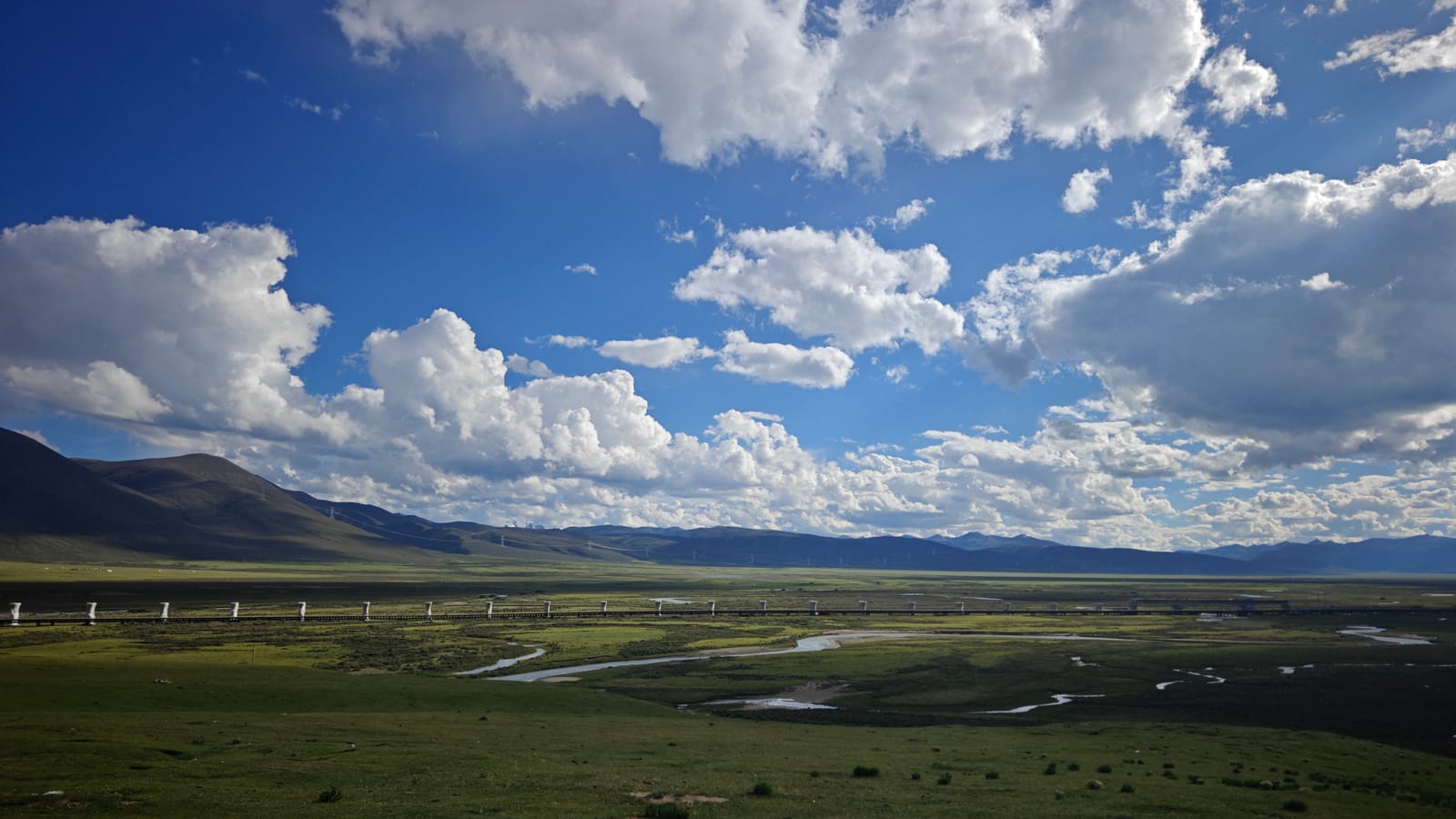
A short, honest packing list built from what guests actually forget — layers, sun protection, and the small items that make high-altitude nights comfortable.
The one rule that matters
Pack in layers, not in bulk. A single day in the highlands can swing from t-shirt weather in the sun to near freezing after dark, and the same trip can cover a humid Chengdu valley and a 4,298 m pass.
Three layers — a base, an insulating mid-layer, and a windproof or waterproof outer shell — will cover nearly every condition you will meet between May and October.
Clothing
Base layers: two or three quick-drying t-shirts or long-sleeve tops. Cotton stays wet and cold, so favour merino or synthetics.
Mid-layer: a fleece or light down jacket. This is the layer you will live in during mornings and evenings.
Outer shell: a windproof, water-resistant jacket. The wind on a 4,000 m pass is the part visitors underestimate most.
Trousers: one comfortable pair for travel days and one warmer or lined pair for highland days. Avoid jeans for long drives.
A warm hat and gloves. Even in midsummer, a clear night at 3,700 m can drop close to freezing.
Comfortable walking shoes with some grip, plus sandals or easy slip-ons for guesthouses and long drives.
Sun and weather
The plateau sun is intense, and UV exposure at 3,700 m is substantially higher than at sea level. Sunburn happens fast, even on overcast days.
Bring high-factor sunscreen and reapply through the day, sunglasses with genuine UV protection, and a wide-brimmed hat or a cap with a brim. Lip balm with SPF is worth its weight — dry air cracks lips within a day or two.
Health and altitude
Any personal medication you take, in original packaging, in your carry-on rather than checked luggage. Pharmacies in highland towns are limited.
Simple painkillers for altitude headaches, plus rehydration sachets. A small first-aid kit with plasters and a basic antiseptic covers most minor issues.
If your doctor has prescribed acetazolamide, bring it and start it as advised rather than on arrival.
A water bottle you can refill. Staying hydrated genuinely reduces altitude symptoms, and you will drink more when you are not hunting for bottles.
Practical kit
A power bank. Long drives and cold nights drain phone batteries, and charging points in rural guesthouses are limited.
A universal adaptor. China uses type A, C and I sockets at 220 V.
A head torch or small torch for guesthouses and early starts.
Tissues and hand sanitiser. Many rural toilets have no paper and no running water.
A light daypack for camera gear, water and a layer on walking days.
What you can leave behind
Heavy boots. Unless you are planning serious trekking, trail shoes or sturdy trainers are enough for the walking on our itineraries.
A large suitcase. Vehicles are comfortable but boot space is finite, and a soft bag or mid-size case travels far better on highland roads.
Excessive camera equipment. The temptation to bring everything is strong, but a single versatile lens plus a spare battery will get used far more than a heavy bag.
Formal clothing. Nothing on our itineraries calls for it.
In this guide
Can I buy cold-weather gear in Chengdu?
+
Yes. Chengdu has plenty of outdoor shops and a large Decathlon, and prices for basics are reasonable. If you are short on luggage space, buying layers on arrival is a practical option.
Do I really need a down jacket in summer?
+
A light down or fleece layer, yes. Daytime temperatures are pleasant, but mornings, evenings and any time above 4,000 m can be genuinely cold even in July.
Is there somewhere to do laundry?
+
Hotels in Kangding and larger towns offer laundry, though turnaround can be a day. Hand-washing quick-dry clothing in a guesthouse basin is the simpler approach on shorter trips.
Keep reading
Have a question we have not answered?
Message us on WhatsApp and a real person will reply — usually within a few hours.
Ask us on WhatsApp