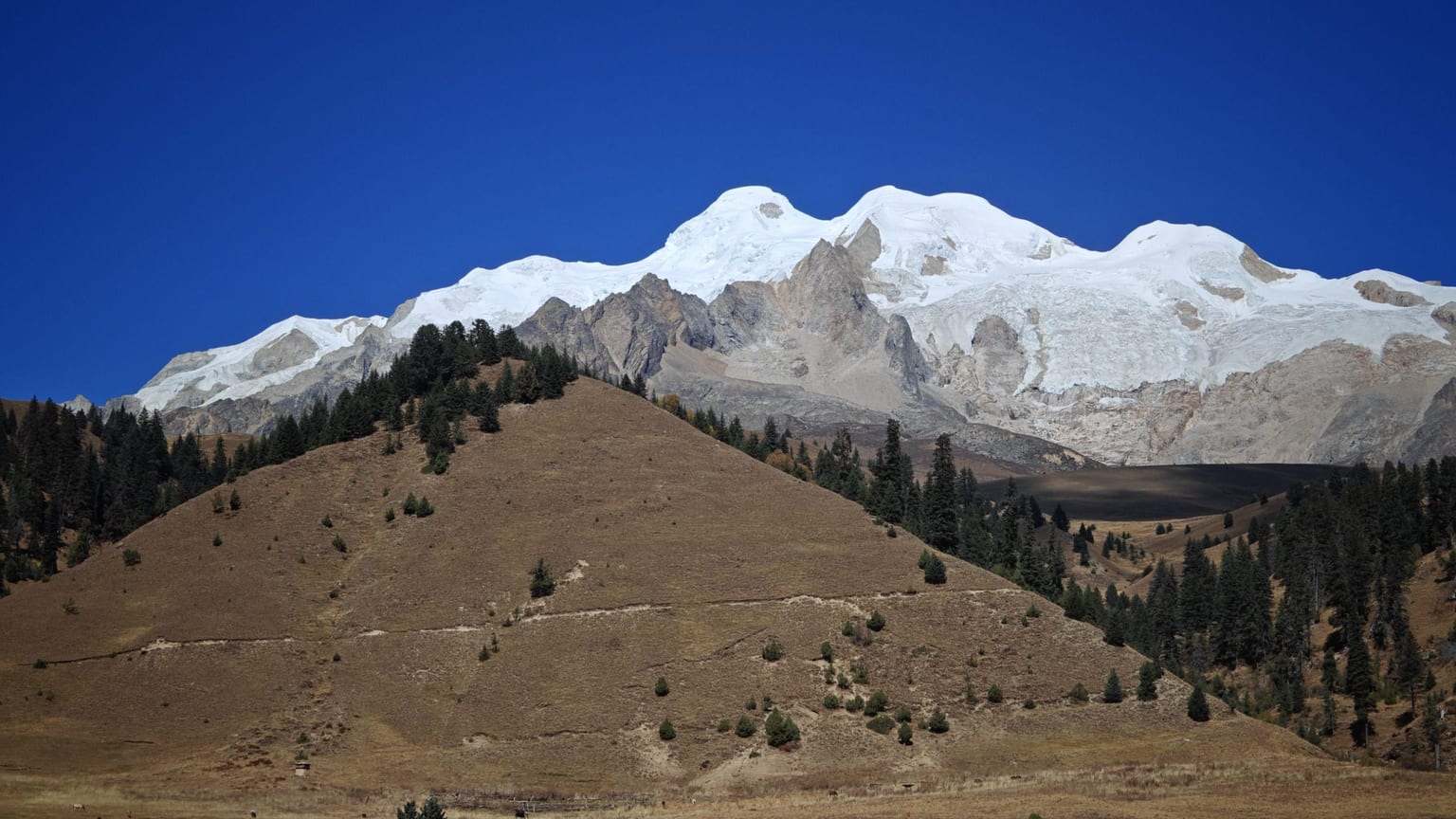
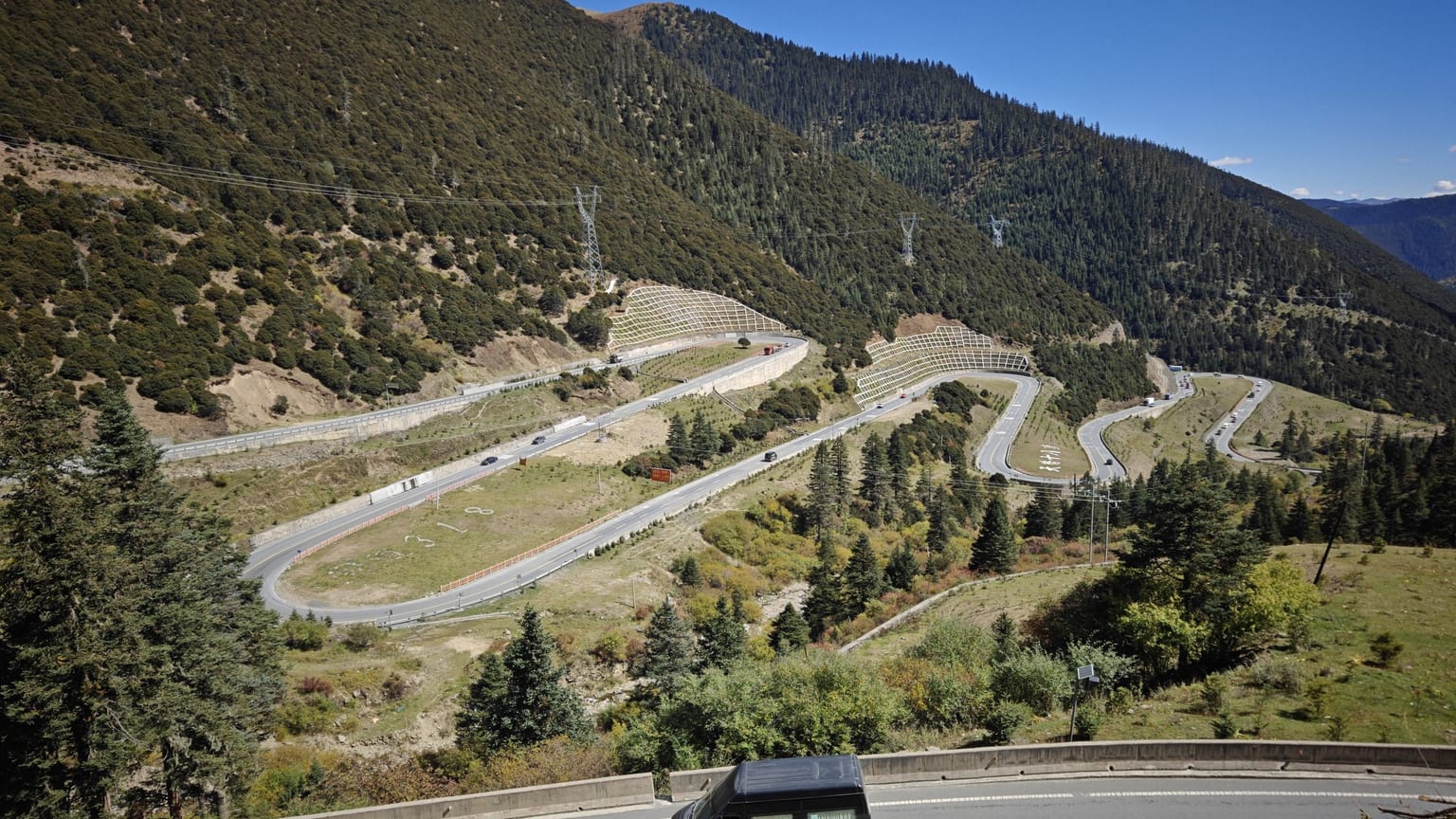
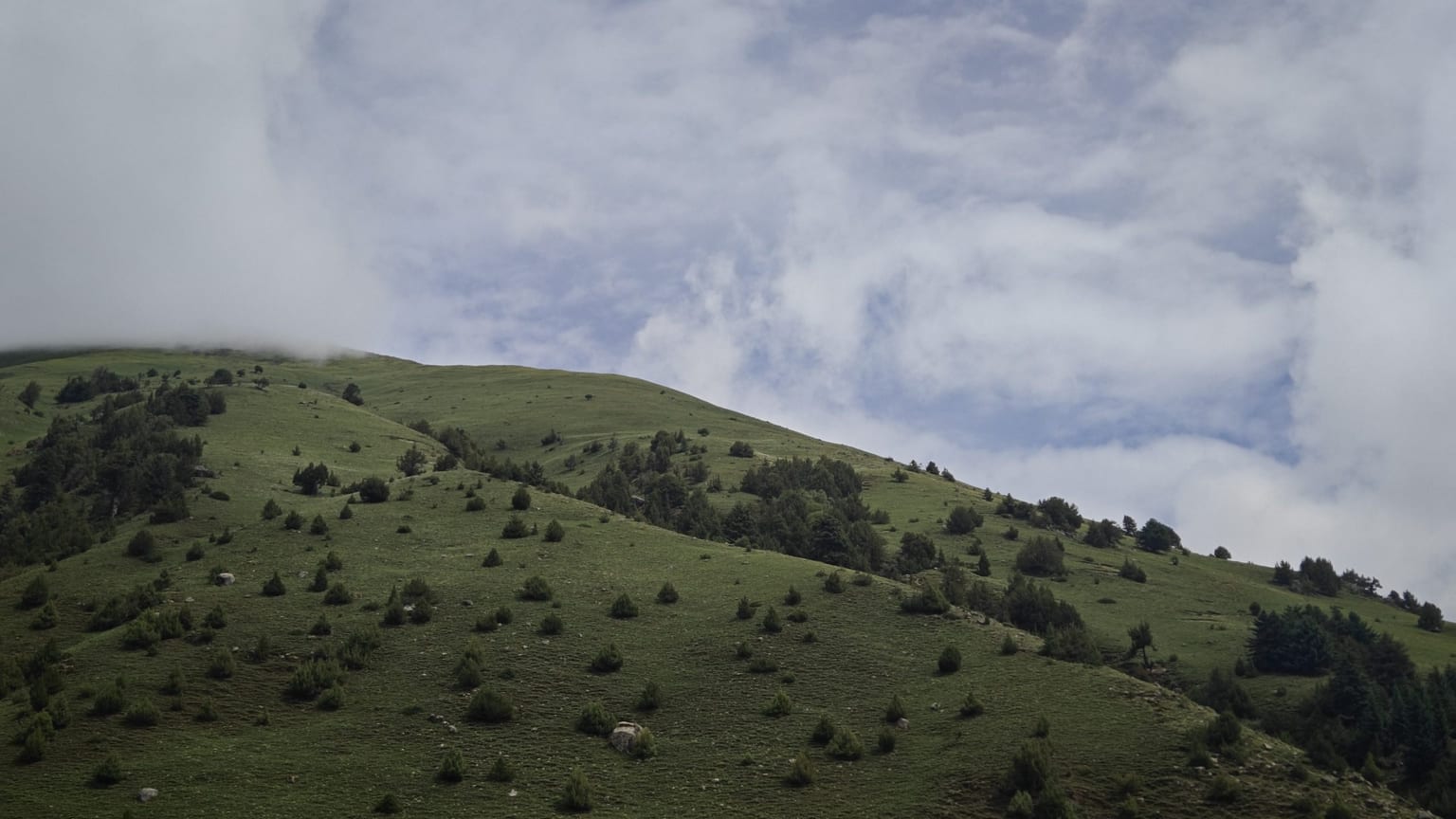
Batang grassland under blue sky · western Sichuan

Batang grassland under blue sky · western Sichuan

Slide 1 of 5

Tibet, without the paperwork

The Tibetan plateau, without the permit.

The Tibet Autonomous Region needs a permit, a licensed guide and three weeks' notice. Western Sichuan needs a four-hour drive. The same monasteries, the same nomads, the same 7,556-metre peak.

The map, corrected

Tibet is three regions. The permit line is drawn somewhere else.

Ü-Tsang, Amdo, Kham. They differ in dialect, in dress, in whether you herd yaks or grow barley — and have done for a thousand years. Sichuan holds the heart of Kham and a share of Amdo. The permit is issued for the Tibet Autonomous Region: an administrative line that cuts through Kham and through Amdo without asking either of them.

卫藏

Ü-Tsang

Lhasa · Shigatse · Lhoka · Ngari

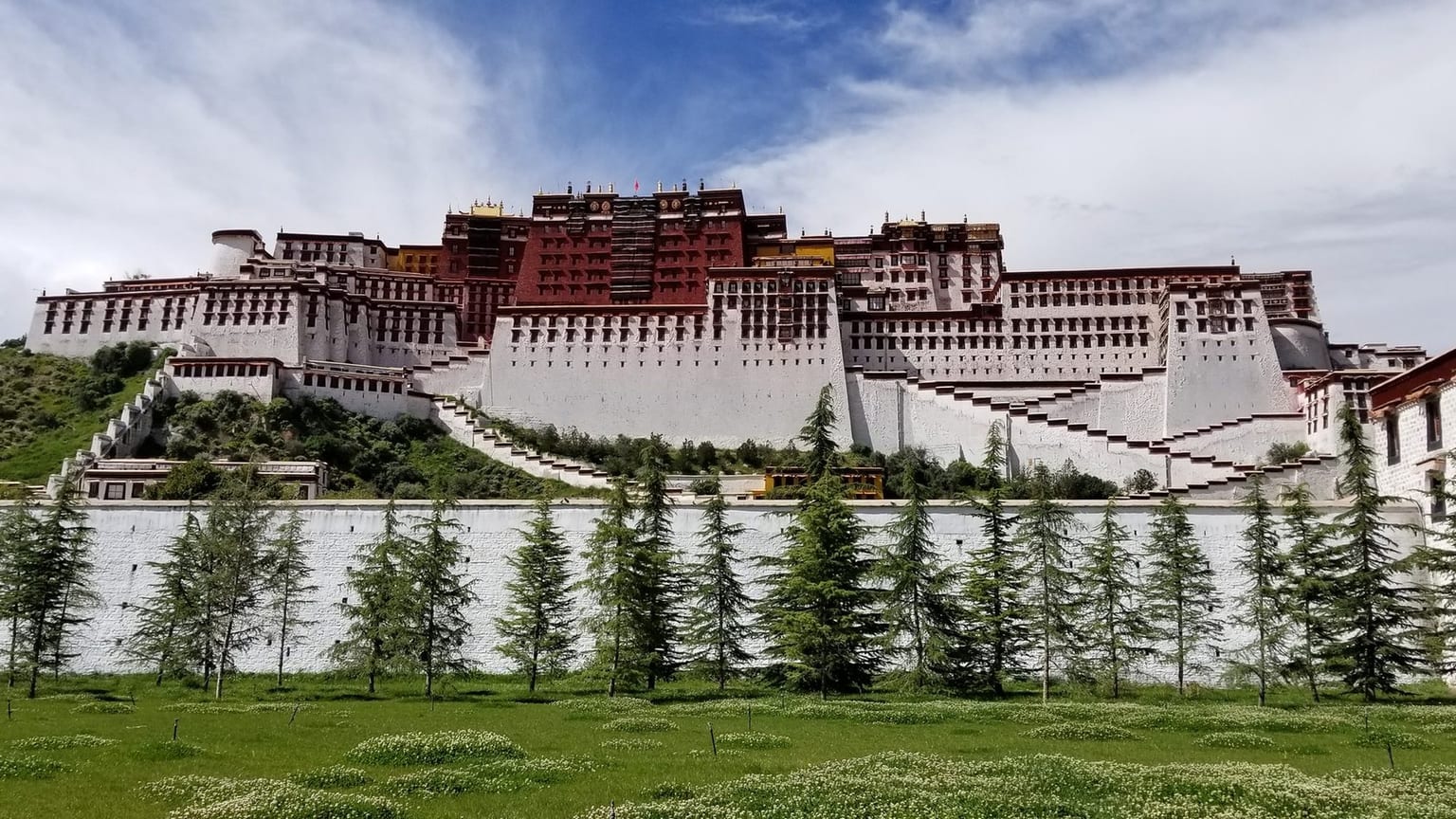
The Tibet of the postcards — the Potala, the Jokhang, Tashilhunpo, the great monasteries of the central valley. Classical Tibetan is written in its dialect. It is the only one of the three that lies entirely inside the Tibet Autonomous Region, and so the only one entirely behind the permit.

Permit required

安多

Amdo

Qinghai · Gannan · northern Aba

The northeast: the grasslands of Qinghai, Gannan in Gansu, and the northern counties of Aba in Sichuan. Horse country, and home to Labrang and Kumbum — the two great monasteries of the northeast. Almost all of it lies outside the Autonomous Region — the Tibet permit does not apply, though a few western counties ask for a separate local one.

No Tibet permit

康巴

Kham

Garzê · Chamdo · Diqing · Yushu

The southeast: river gorges, forest, and the old trade roads towards China. Garzê prefecture is its heart — Kangding, Tagong, Dêgê, Litang, Sêrtar — and the Rgyalrong valleys of Danba and Xiaojin are usually counted with it. Kham is the one that gets cut in half: Chamdo lies inside the Autonomous Region and needs the permit; Garzê, four hours from Chengdu, does not.

Chamdo needs it, Garzê does not

The permit follows a provincial border. The culture does not.

When people say the plateau is closed, they mean the administrative shape — the Tibet Autonomous Region. The cultural shape is three regions wide, and most of the other two are reachable from Chengdu without a permit.

One of the three

Lhasa is four barriers away, not one flight.

Ü-Tsang is the Tibet of the postcards — and the only one of the three regions that lies entirely behind a permit regime. If that is the trip you had in mind, this is what it actually takes.

01

A permit you cannot apply for yourself

The Tibet Travel Permit is issued by the Tibet Tourism Bureau, and only through a licensed Lhasa agency. It takes 15 to 30 days, your passport and your Chinese visa — and the paper original has to reach your hotel in mainland China before you can board the flight.

02

A guide, every single day

Foreign passport holders cannot travel independently in the region. A licensed guide accompanies you throughout, and the permit lists the itinerary in advance. You cannot add a valley because someone in the teahouse told you about it.

03

No driving yourself

Self-drive is not permitted for foreign visitors. You move in a licensed vehicle, on the approved route, through checkpoints that scan the permit more than once a day.

04

Two flights, and a 3,650 m landing

There are no international flights to Lhasa. You land in Chengdu, Beijing or Xi'an and fly on, or take twenty-one hours on the Qinghai-Tibet railway. Either way you step out at altitude with no acclimatisation behind you.

All of that is true.

None of it means giving up on the plateau. It means coming in through a different gate — four hours west of Chengdu, where the culture is the same and the paperwork is not.

The full answer, with altitudes and drive times

The same plateau, a different gate

West of Chengdu, none of it applies.

Sichuan's Tibetan areas — the heart of Kham, and part of Amdo — cover about 235,000 square kilometres, roughly the size of the United Kingdom. They are not a substitute for Lhasa. They are the same civilisation, at the same altitudes, without the permit regime.

PermitTibet Autonomous RegionTibet Travel Permit, agency only, 15-30 daysWestern Sichuan · KhamNone. Passport and a Chinese visa.
GuideTibet Autonomous RegionLicensed guide mandatoryWestern Sichuan · KhamOptional — ours, or none at all
ItineraryTibet Autonomous RegionFixed and approved in advanceWestern Sichuan · KhamChanges with the weather
DrivingTibet Autonomous RegionNot permitted for foreign visitorsWestern Sichuan · KhamPossible with a Chinese licence; a driver is the norm
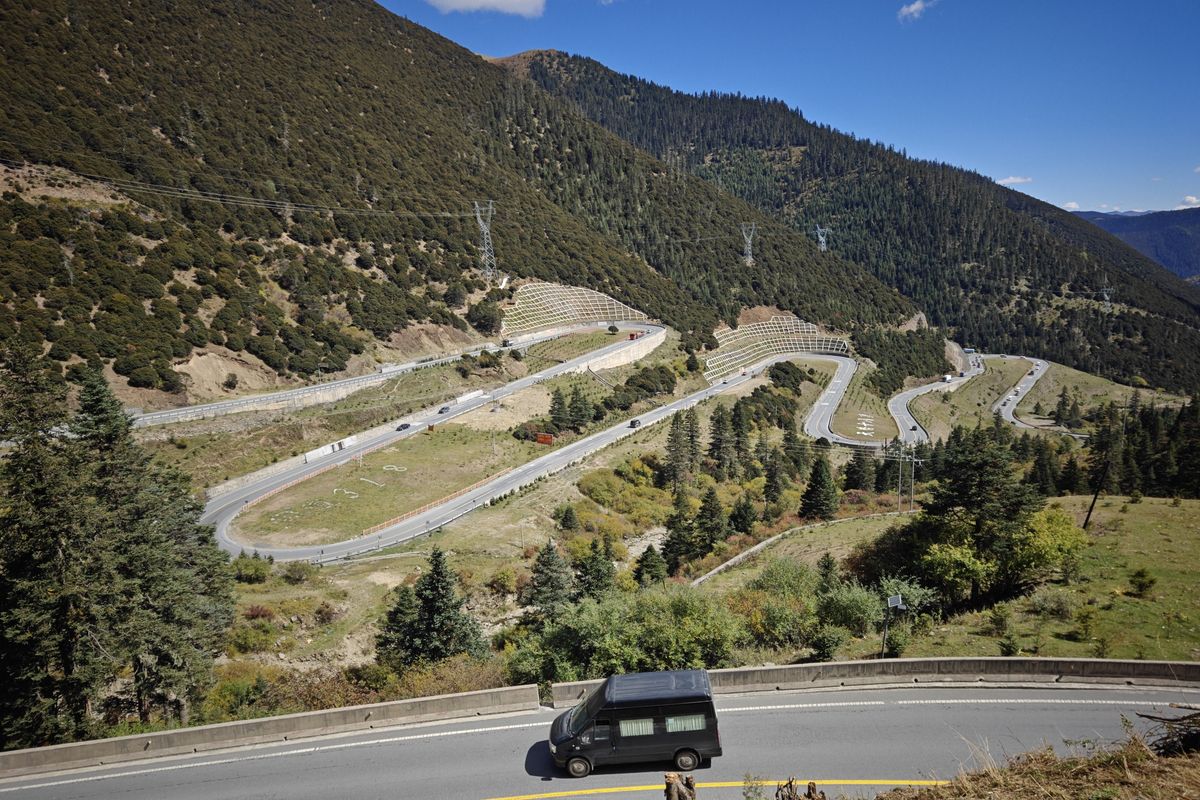
Getting thereTibet Autonomous RegionFly to a Chinese hub, then Lhasa — or 21 h by railWestern Sichuan · Kham4-5 h by road from Chengdu, or 1 h by air
AltitudeTibet Autonomous Region3,650 m on landing; 5,200 m at base campWestern Sichuan · KhamClimbed over days; sleep at 2,000-3,730 m
GroupTibet Autonomous RegionFixed departures, 4-12 peopleWestern Sichuan · KhamPrivate, 2-8, your dates
LanguagesTibet Autonomous RegionTibetan, Mandarin, EnglishWestern Sichuan · KhamEnglish, French, Spanish, Mandarin

Permit rules are set by the Tibet Tourism Bureau and are checked before every quote. Nothing here is a workaround — the two regions simply have different rules.
What you came for

The things you were going to Lhasa for.

Monasteries that keep their own calendar. Nomad camps at 4,000 m. A printing house that has been cutting scripture blocks by hand since 1729. None of it staged for visitors, most of it without a ticket window.

3,730 m · Garzê

Tagong Monastery

Sakya, over a thousand years old, on the grassland where Kham meets the Yala range. Pilgrims arrive from across the plateau; foreign visitors are rare enough that children still say hello.

3,240 m · Dêgê

Dege Parkhang

The scripture printing house of 1729. Three hundred thousand hand-cut blocks, inked and pressed every day in rooms lit by a doorway. Monks work; you watch from the threshold.

4,010 m · Garzê

Litang

A town at four thousand metres where the grassland reaches the main street. The monastery above it dates from 1580; in August the horse fair draws Khampa riders from every pasture.

7,556 m · Kangding

Gongga Shan

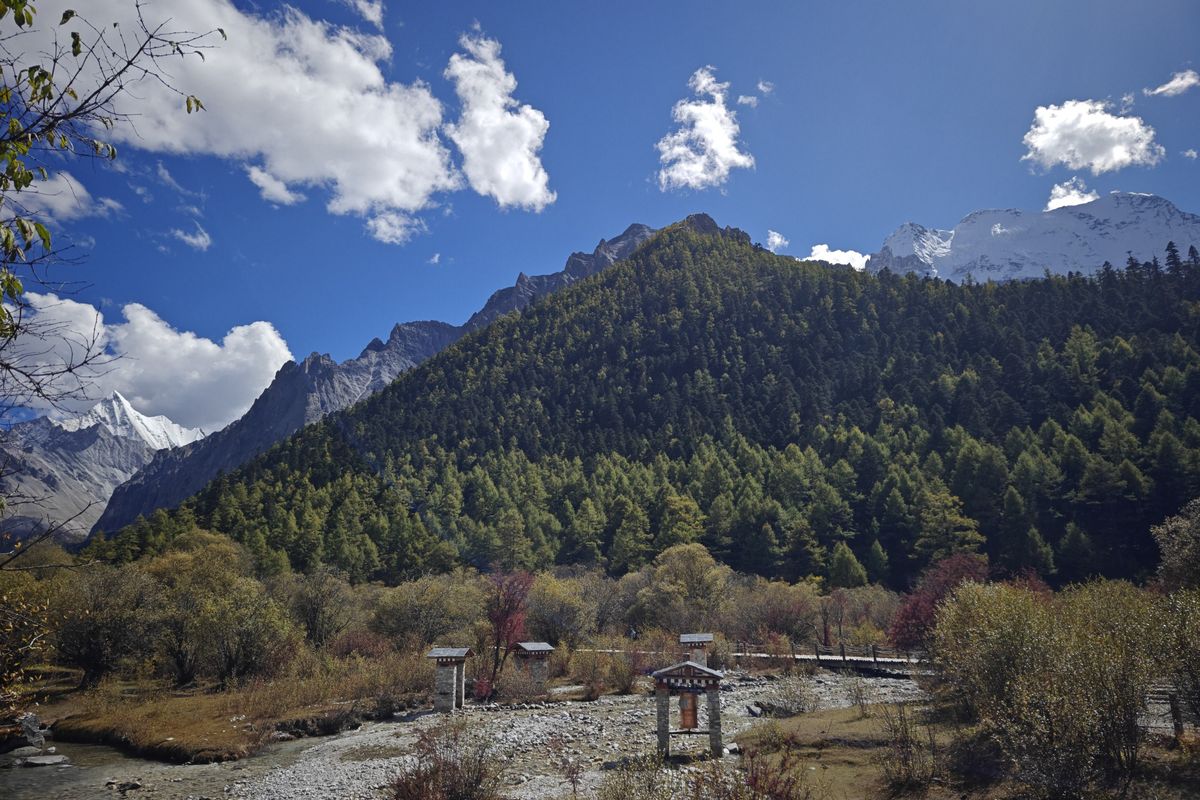
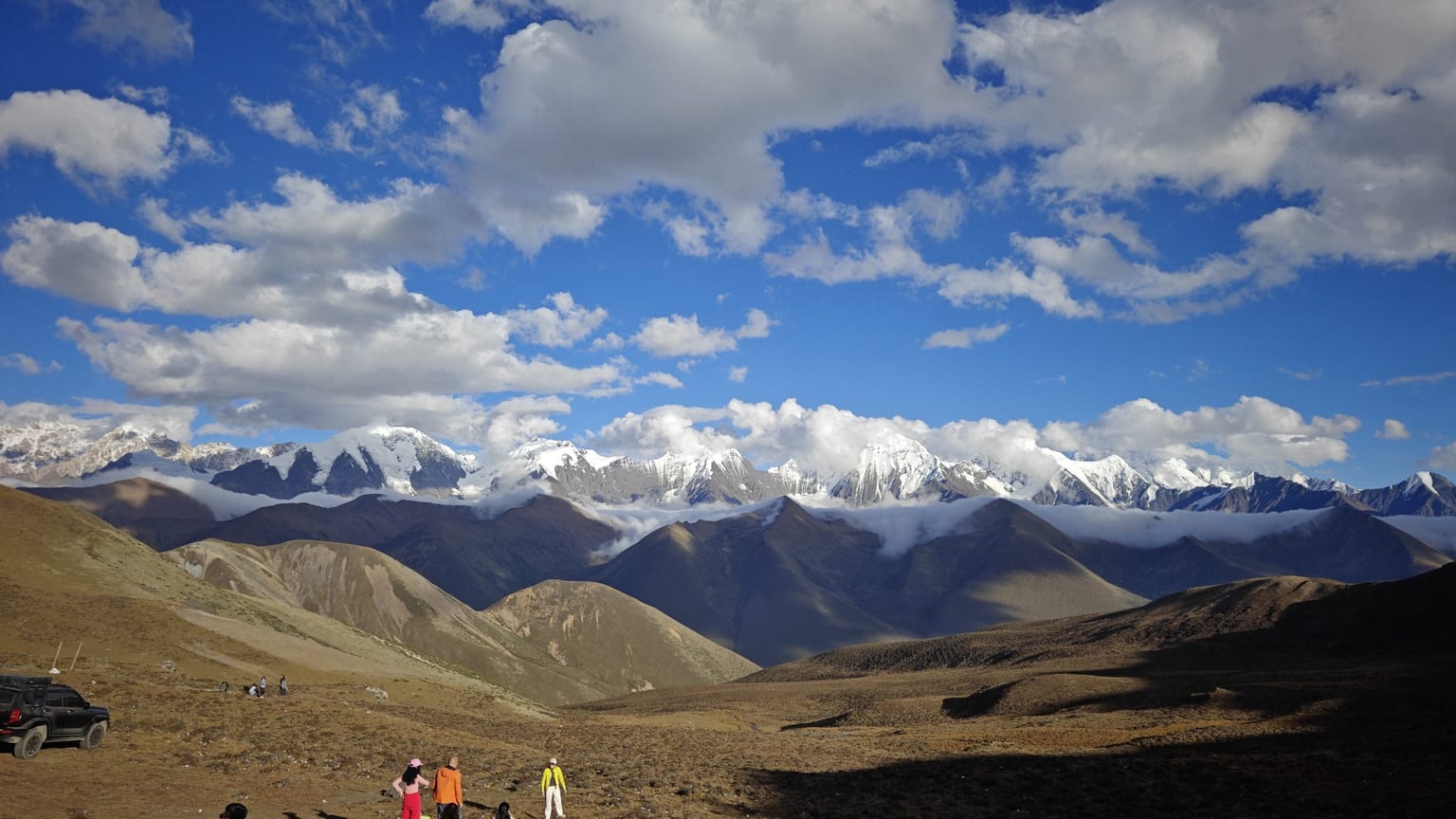
The highest peak in Sichuan, and the easternmost of the great Himalayan-scale mountains. On a clear morning it fills the entire western sky from the Zheduo pass.

4,000 m · Northwest plateau

The nomad year

Two nights with a family that still moves with the grass. Yak, butter tea, a stove at the centre of the tent, and no electricity after dark.

Tagong · studio

Thangka, two days

Grind the mineral, bind it, draw the line, fill the flat colour — and only then the face. Two days teaches you why one face takes four.

Who you go with

Two people, not a call centre.

What makes this work is not the itinerary. It is travelling with people who live here, speak the languages, and will change the plan when the mountain asks them to.

Aaron
Aaron

Founder & Lead Guide

I have lived and worked in Europe and the United States, and I stayed here for the highlands. In all these years, no guest has gone home unhappy.
Yinn(小颖)
Yinn(小颖)

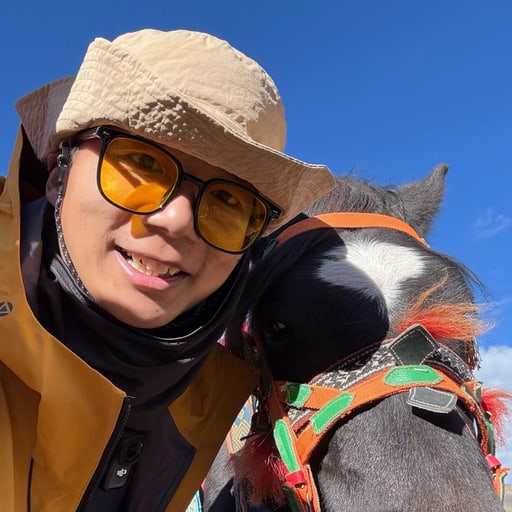
Local Guide · Tibetan Highlands

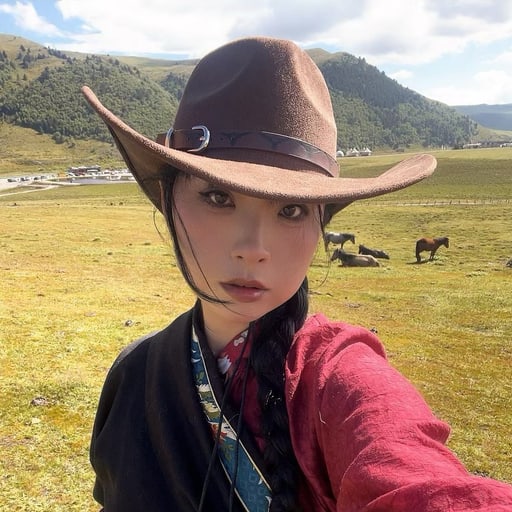
Born in Wuhan, educated in Spain. I ride whenever I can, and the rest of the time I go back up. The monastery visits and the nomad camp are mine.

In their words

What travellers say

Also, a very super giant thank you to Aron and his car! We truly think that if now we can appreciate more the Chinese, Sichuan and Tibetan culture, it is thanks to you. Thank you for your patience, for your positive energy, your kindness always, and for all your advice! We will miss you. I still need to convince Davide, but someday I will move here and I will be a Sichuan troublemaker!

Martina Vilardo · Italy

Thank you all for making our honeymoon so special! And thank you so much for taking us all around, it was such a pleasure!

Valerie · United States

Good to know

Frequently asked questions

Do I need a permit to travel from Chengdu into Tibetan areas?
+
For most of Western Sichuan - Kangding, Tagong, Xinduqiao, Litang, Daocheng Yading and Danba - no special permit is required; a valid Chinese visa or visa-free entry is enough. Permits are only needed if you enter the Tibet Autonomous Region (Lhasa, Shigatse, Nyingchi), and those are arranged through a licensed Tibetan travel agency. We will tell you clearly which one applies to your route.
What is the best time of year for a Western Sichuan tour?
+
May to October is the main season, with the clearest skies and warmest days. Late March to April brings apricot and peach blossoms through the river valleys; June to August is greenest with the best grassland conditions; September to October gives the sharpest mountain views and golden larch. Winter trips are possible on lower routes such as Kangding and Danba, with far fewer visitors.
How do I handle altitude sickness on a Sichuan-Tibet route?
+
We build the itinerary upward gradually - starting at Chengdu (500m), then Kangding (2,560m), then higher passes - so your body acclimatises over several days. We carry oxygen in the vehicle, keep the pace flexible, and avoid abrupt gains above 4,000m. Most travellers adjust within a day or two; tell your guide immediately if you feel unwell and we will adjust the plan.
How small are the groups, and can I book a private trip?
+
Our scheduled departures run with 2 to 8 travellers, which keeps us light enough for small guesthouses and quiet monasteries that large coaches cannot reach. If you prefer your own dates and pace we run private departures for solo travellers, couples, families and friend groups all year round.
What does a Western Sichuan tour typically cost, and what is included?
+
Every route lists a price per person, and travel-accident insurance is included in the price: the Tibetan walking tour from US$39, the Western Sichuan highland loop from US$690 (3 days) up to US$1,390 (7 days), and the nomad camp from US$999 for a group of four, down to US$875 per person at five or six guests. A standard quote covers the private vehicle and driver, an English-speaking local guide, accommodation, entrance fees to monasteries and scenic areas, and domestic travel-accident insurance including highland rescue. International flights and personal shopping are not included.
Can you accommodate non-English speakers or specific dietary needs?
+
Yes. Our guides speak English, Mandarin and Tibetan, and we also run trips in Spanish and Thai on request. Vegetarian, vegan, halal and gluten-free meals can be arranged along the route - just tell us at the time of booking so we can brief each guesthouse in advance.

Join us

Limited spots. Real experiences.

We keep our groups small to keep the experience real. Plan early to secure your place.

This experience is just the beginning — many of our travelers continue into the mountains of Western Sichuan.